My National Museum

Silly as it may seem, this blog can be a testimony that I truly adore going to museums.  This is especially true during my out-of-the-country journeys and adventures.  My trips abroad would usually have at least a day spent at a museum.  Me and my friends would usually call it “the cultural day” segment of the adventure.  This is the time when I would further immerse myself to the abundant culture, beautiful art and rich history of those far away cities.

What is so strange and striking is that I actually have not gone to the very national museum whom I consider my own.  The very museum that features my nation’s culture, my nation’s art and my nation’s history.  The very museum that does not need an airline ticket to visit but just a 10-minute taxi ride from my place of stay.

super like!

super like!

the old session hall of the senate of the philippines

the old session hall of the senate of the philippines is now the national museum…
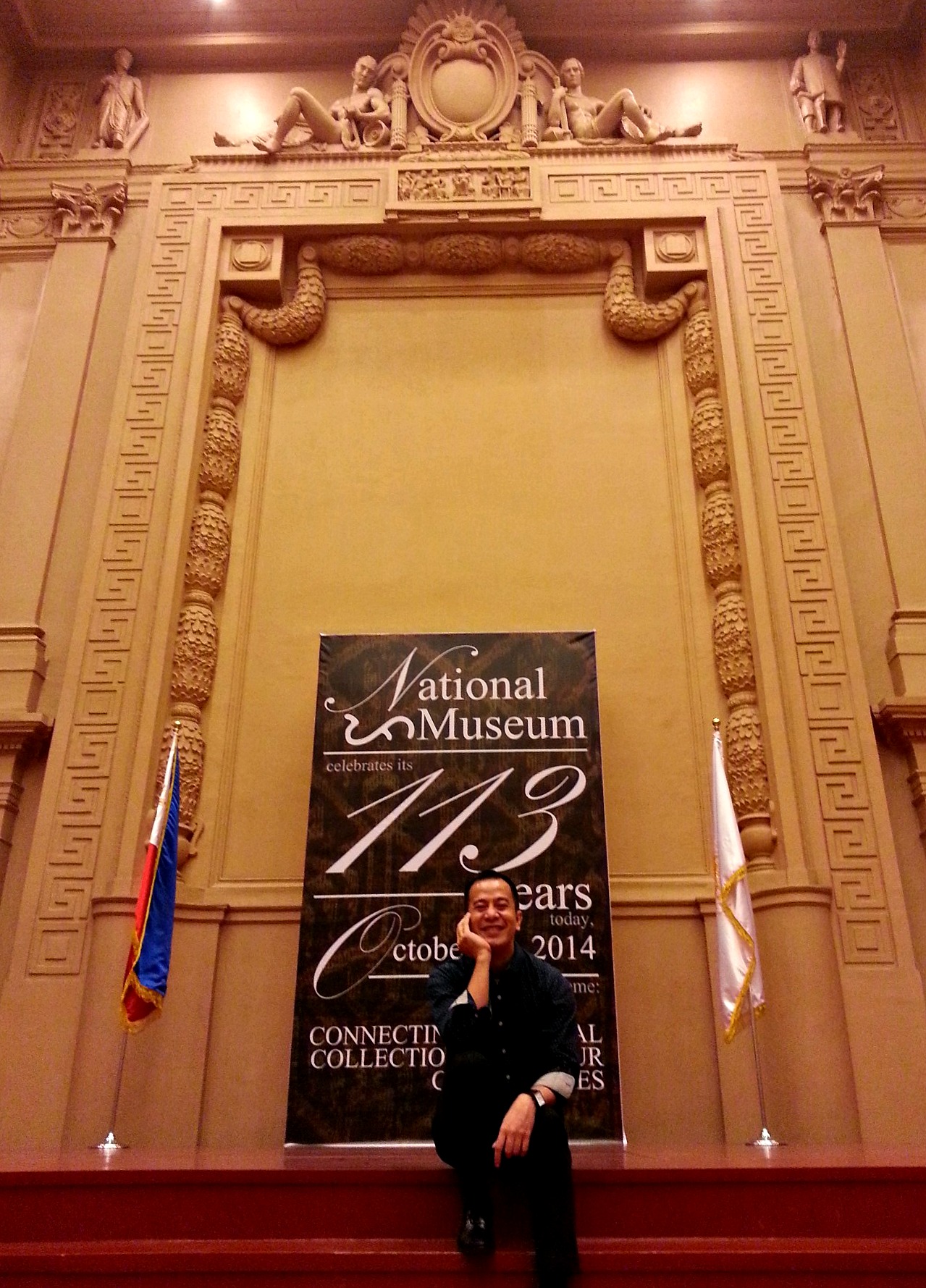
proud of my museum!

proud of my museum!

Thankfully, this strange and striking irony has been resolved.  This is because I have been to the National Museum of the Philippines Thursday night to attend an art exhibit.  The one of three domains of the museum that I particularly have been to that night was the main and the grandest domain, the National Art Gallery.  The other two components (The Philippine Planetarium and The Museum of the Filipino People) of The National Museum are housed in an equally splendid buildings.

Being inside the building of the National Art Gallery already evokes some exquisite emotion.  I was like being transported through a time capsule to the grand and auspicious era of the Philippines.  The feeling was like being inside a gorgeous art piece, breathing with it and being part of it.
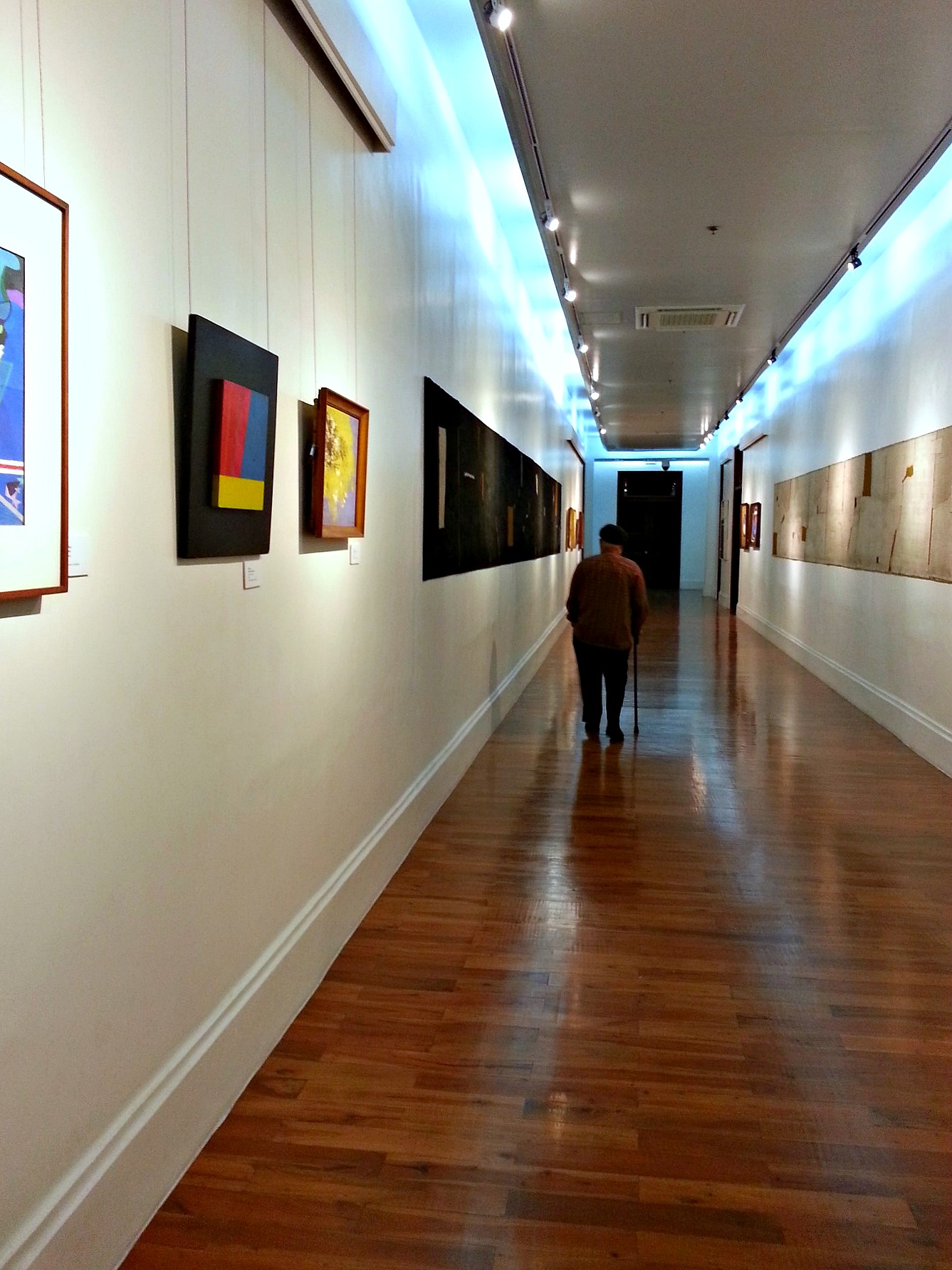
i love this shot! that man is f. sionil jose the national artist for literature.  he is on his way to dimasalang exhibit...

i love this shot!
the hallway leading to the dimasalang exhibit. that man is f. sionil jose the national artist for literature.

Before and after the program formalities of the beautiful art exhibit I attended (housed in one of the glorious galleries of the building), I and my colleagues got the chance to view the other galleries of the museum.  Museum directors graciously opened all galleries in all floors of the whole museum that night for all event attendees of the art exhibit to see and appreciate!  The night time ambiance with impressive lighting mood inside the museum galleries further add up to the already massive emotions I was already feeling.

Aside from the penetratingly dramatic Spoliarium painting by Juan Luna and the massive yet gentle looking Diwata sculpture by Guillermo Tolentino, I will not be posting any photo of the art pieces on display.  It is because I want you to go there and experience the same emotion I had.
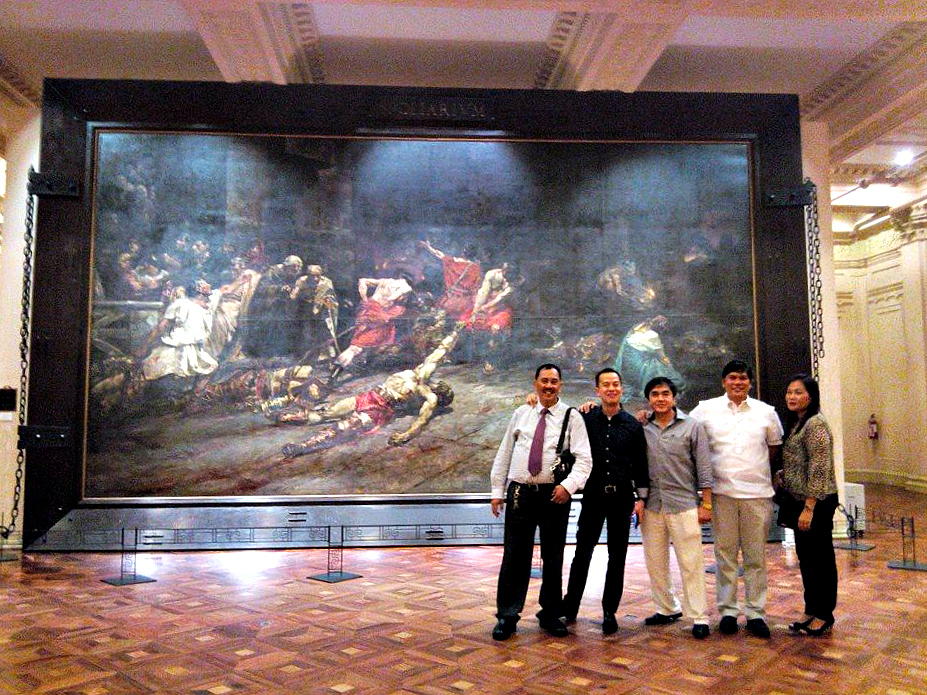
a super huge painting! spoliarium by juan luna

a super huge oil on canvass painting! spoliarium by juan luna
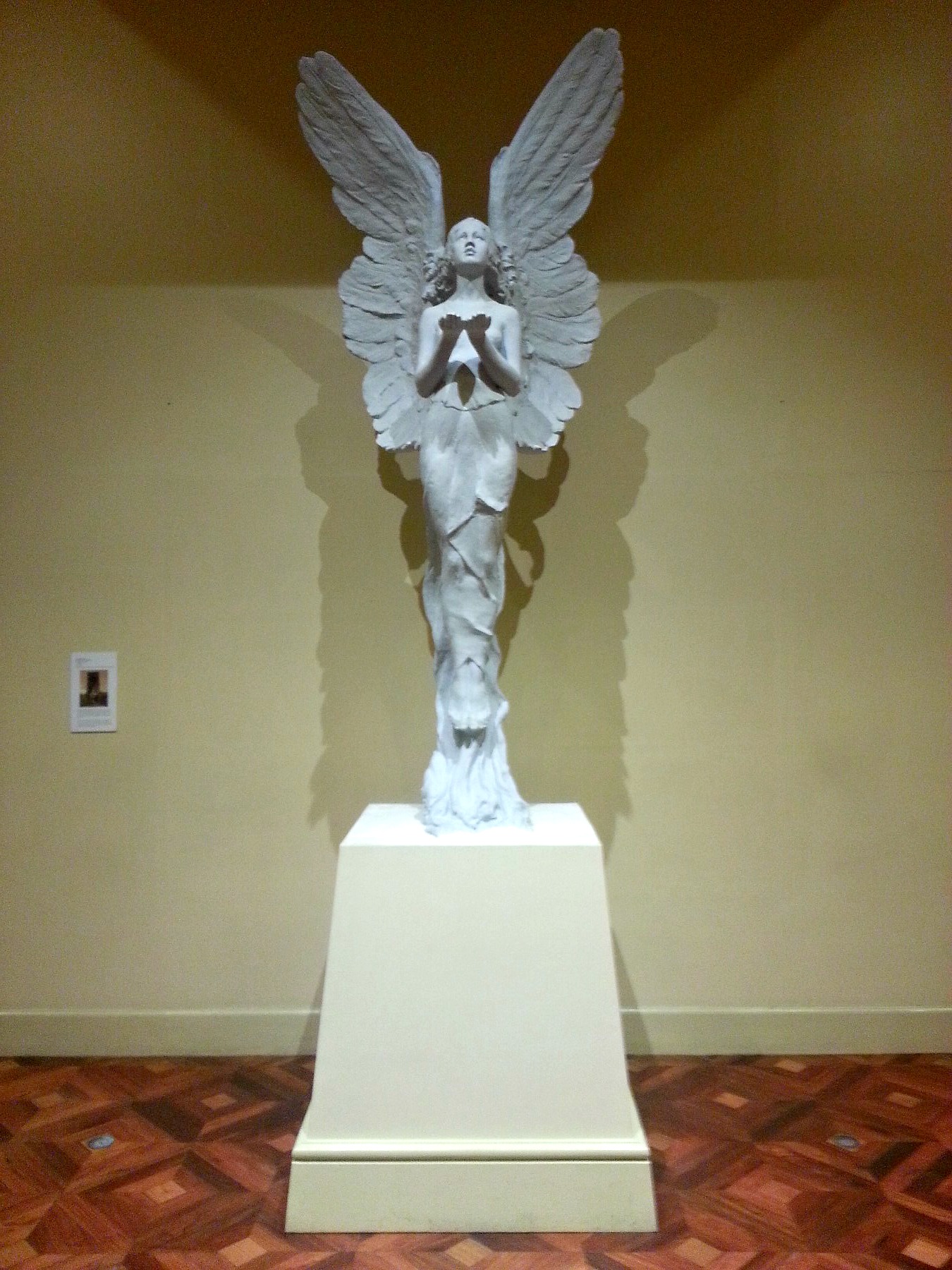
diwata by guillermo tolentino

diwata by guillermo tolentino

I never knew how rich, magnificent and stunning the Filipino-made art pieces were until last night.  Those precious works of art were so beautifully intense it felt like those were interpolating divine messages directly towards me.

The visit to my National Museum was an outstanding buffet that fed my soul to the brim.  It was no doubt an invigorating assault to my senses!


The National Art Gallery of the National Museum of the Philippines is open Tuesdays to Sundays, from 10:00 AM to 5:00 PM.  Its free admission on Sundays.

Grabe, parang wala ako sa Maynila!
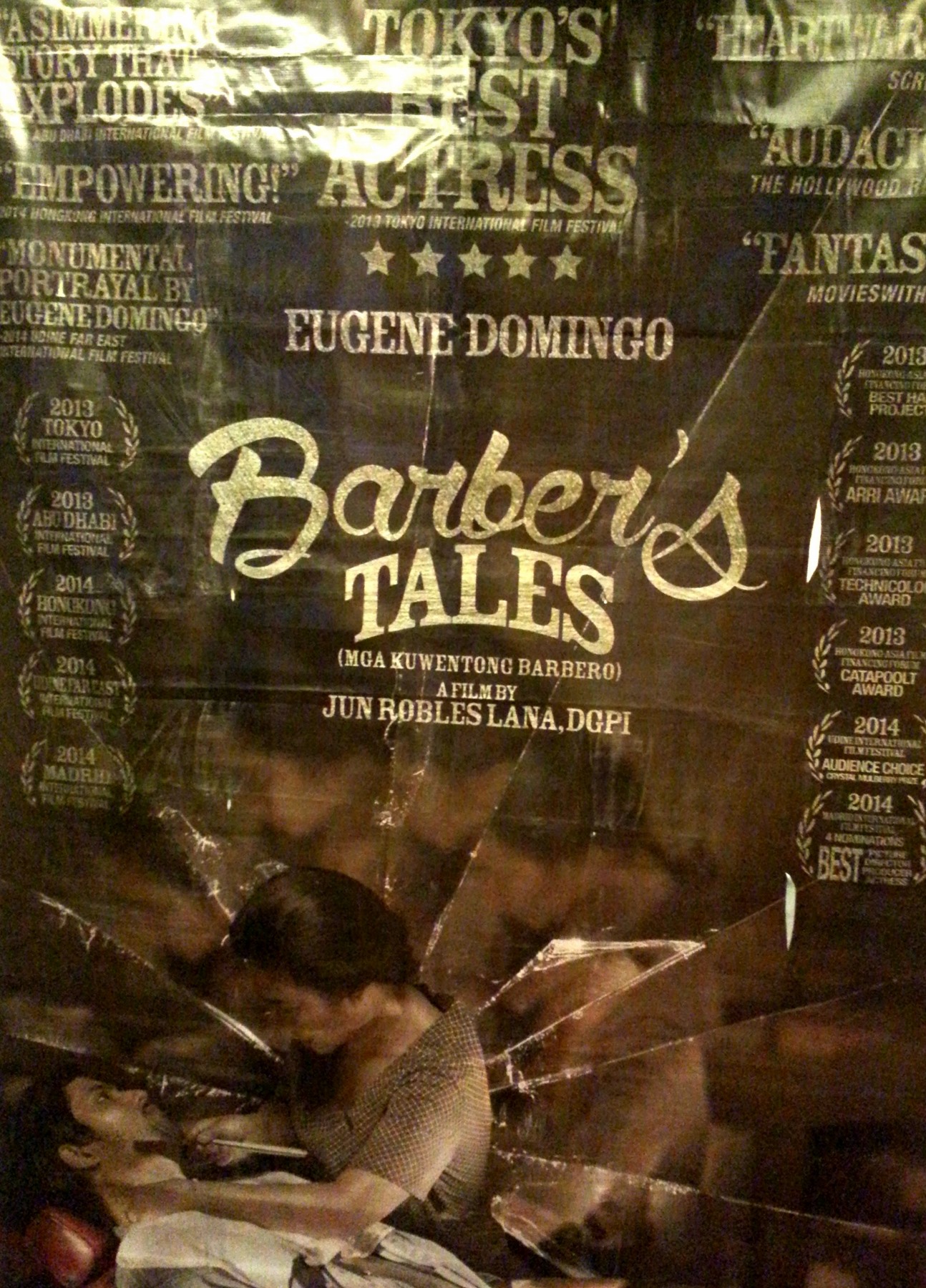
Superlative Aesthetics of Barber’s Tales

barber's tales movie poster

barber’s tales movie poster

All elements of a good movie seem to be present in the film Barber’s Tales written and directed by Jun Lana.  Everything in the movie though simple in its attack seems mesmeric.  It is so good the viewers at the end of the film could not control from clapping their hands.

It is a quiet movie yet its overall effect encompasses viewers’ expectations of a well-made film: honest-to-goodness directing and storytelling; unpredictable twists and characters; so-true-to-the-character acting performances; skillful use of the Filipino language; unobtrusive and discreet use of music that mixes naturally with the sound of the environment; and, lastly the brilliant use of old and faded colors.

I know there have been heaps of positive reviews and blog posts written about Barber’s Tales highlighting on how good the story is, how cohesive the direction and cinematography was or how impressive the actors were.  Thus with this post, let me honor one aspect of the film that seems to have been slightly neglected.  The production design.

Being a person who grew up in the era on when the story wheeled on, this element of the film truly delighted me.  Thus, for me, Chito Sumera, the production designer of the movie is one of the movie’s superstars.

The movie’s production design brought me back to my pre-school years in Pasay.  I agreed with all the 70’s period props and costumes featured in the movie.  From the prostitutes’ usage of pink plastic rolers (curler tubes) on their hair, the presence of old transistor radio inside the barbershop, the usage of hoary kulambo (mosquito net), the presence of time-consuming ginanchillo (crochet fabric) on top of the rickety-looking tocador (a dresser) and even the old magazine with Margie Moran on its cover were all genuinely amazing to see.  These well-researched props made me further feel the critical sensory-emotional values of the film.

when i was still a kid, i always thought that those batya (laundry tubs) were giant tansan (bottle caps)

when i was still a kid, i always thought that those batya (laundry tubs) were giant tansan (bottle caps)

I actually whispered to Nengkoy while the movie was running if she noticed and still recalls those reliable tin metal batya (laundry tub) which the main character and her best friend were using in one of the beautiful scenes.

These key design elements further elevated the film to be closer to what is the truth and what has existed in the past, thus, making the story so real.

The Barber’s Tales is still showing in few selected cinemas in the metro.  For its ‘true’ aesthetics, this film is definitely a must watch movie.

Hanep!

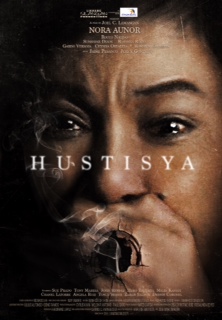
Hustisya by Lamangan: An Injustice to Nora

hustisya movie poster grabbed from cinemalaya website

hustisya movie poster grabbed from cinemalaya website

Joel Lamangan is a Filipino film director who has been very successful in consistently disappointing me with his works.  I have seen a couple of his movies but seeing his latest one made me conclude that it would take me a great deal of convincing to watch his future works.

Lamangan’s latest movie is entitled, Hustisya.  It stars the great Nora Aunor. This film is an entry in the on-going Cinemalaya film festival.  Unfortunately, for my taste the 2-hour film, Hustisya, is a big disappointment.  Because I was so bored in the first few minutes of the movie, I kept on looking at my watch.  And to my surprise the first disenchanting 35 minutes of the movie was nothing but seeing Aunor walking within the rundown streets of Manila.

For me, the movie’s core and story can easily be told in less than 45 minutes.  It ran for 2 hours because Lamangan inserted unnecessary footages of the sorry-looking and sordid spots of the City of Manila with the aim of putting socio-political connotations for the film.

For me, Lamangan is nothing but an inferior imitator of the genius Filipino film director Lino Brocka.  The latter’s work contains heaps of socio-political implications and undertones which would hit directly into your being.  Lamangan’s representation of socio-political issues on the other hand seem nothing but superficial.

Because of the footages inserted in the film and the secondary scenes placed in the movie (like the anti-government rally that suddenly came out from nowhere; the pickpocket scene inside a train; or, the stabbing murder scene along a dodgy street), which has nothing to do with the story has failed to touch a nerve.  His depiction of social ills and government-political inadequacies looks artificially pilit (forced).

Lamangan must thank the heavens for Aunor who agreed to be in the film.  She is the sole saving grace of this movie.  And I cannot imagine how the film would look like or what the film would have become if it was not for the great Aunor who stars in it.  Without Nora, this movie could easily be considered a non-worthy entry in this year’s highly prestigious Director’s Showcase category of Cinemalaya festival.

Jusko, epik peyl naman ‘tong si Manong.

A Museum On My Mobile Phone

the first piece of art that appeared on my device

the first piece of art that appeared on my device

“It feels like having a new mobile phone every day!”

This is what I generally feel every time I am surprised by the daily changes that happens to my phone’s wallpaper. Thanks to the mobile app Muzei (a Russian word meaning museum).  Every day my phone home screen is automatically refreshed with works of art.

I really love the app’s classy concept.  It’s so simple yet so unique.  It’s the coolest way if you happen to be dealing with mobile-phone-homescreen-fatigue.

I am so happy and amazed by this clever app, I even bragged and announced this app to my co-workers during one of my lectures.   This well done app can also optionally educate you.  If you wish to know about the description of the featured art piece you simply click on the title.  Then you will be directed to a wiki entry on the internet for the information.

2014-06-08-19-24-34 (1280x720)


refreshing!

refreshing!

winner!

winner!

he was a popular russian opera singer...

he was a popular russian opera singer…

I have always believed that pieces of great works of art are the food for the people’s soul.  Thus, this awesome app simply does that for me.  Besides, you don’t want your “ulam” (viand) to be the same “ulam” every day. Right?

This is easily the best wallpaper you can put on your device!

Hayli rekomended!

A Painting In Corregidor

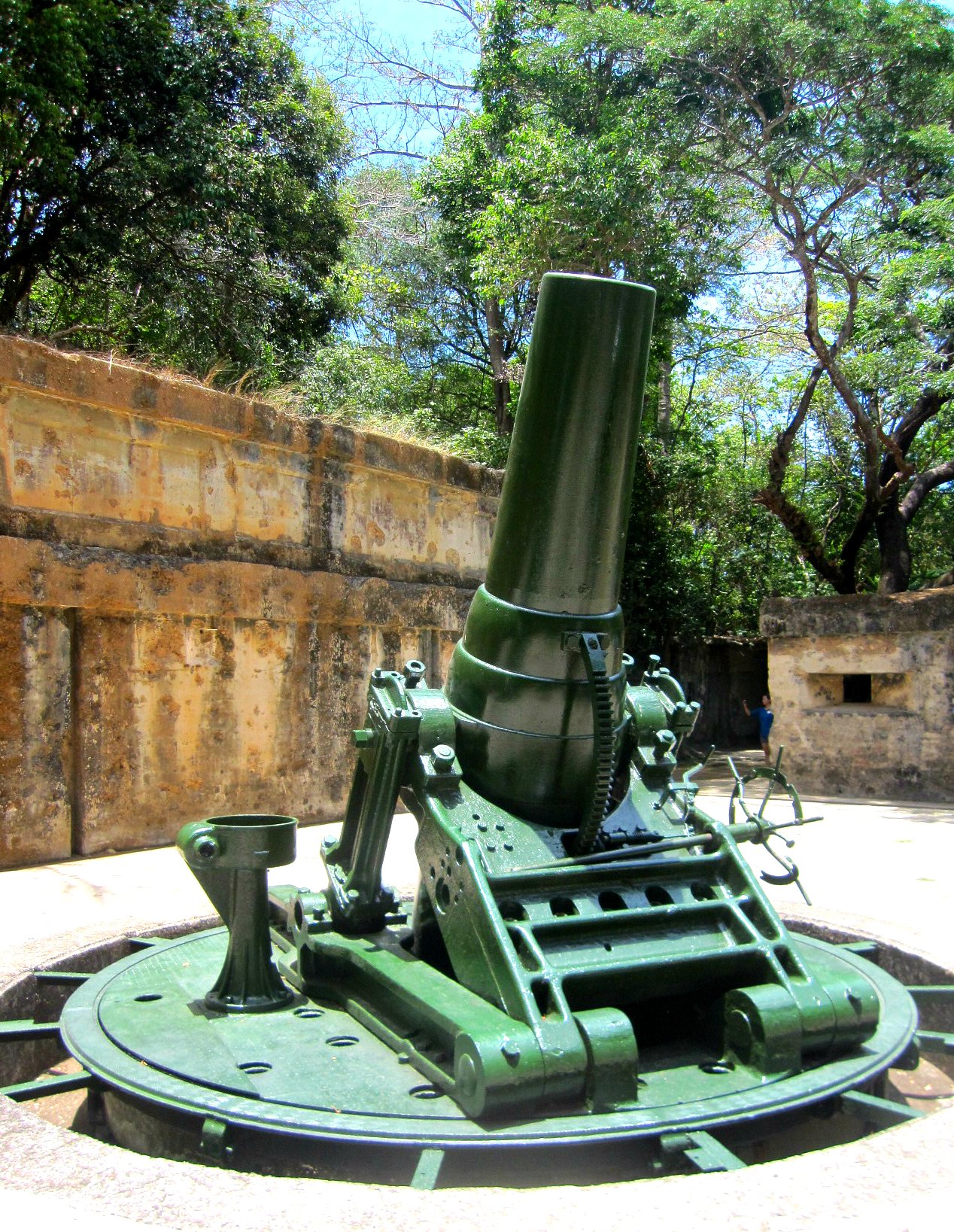
the guns... one of the popular fixtures in corregidor

the guns… one of the popular fixtures in corregidor

About two weeks ago while having a quiet weekend breakfast with Nengkoy, I learned that my family have close affiliation to that of the historic Island of Corregidor.  During this peaceful breakfast, Nengkoy told me that her mother (Lola Teray) actually lived and inhabited the island of Corregidor for a considerable amount of time.

Nengkoy told me that Lola Teray (though was born in Naic, Cavite) lived with the rest of her family in Corregidor when the island was still under the control of the Americans.  In fact, Nengkoy’s eldest sister (Aunt Lydia, who is now based in Canada) was born there.  She also told me that Lola Teray and the rest of her family was living at the Bottomside of the island where Barrio San Jose was located.

Three Sundays ago, I got the pleasant chance to again visit Corregidor.  It has again been an enlightening tour and visit.  I learned from the tour guide that since the island was controlled by the Americans, Filipinos born in Corregidor in the past are given the option of either being an American or a Filipino citizen.  How cool is that!

The competent tour guide however raised that at present the island is no longer inhabited by anyone and is already preserved because it has been declared a National Shrine.  Thus, there is no longer called a newly born Corregidor-ian.

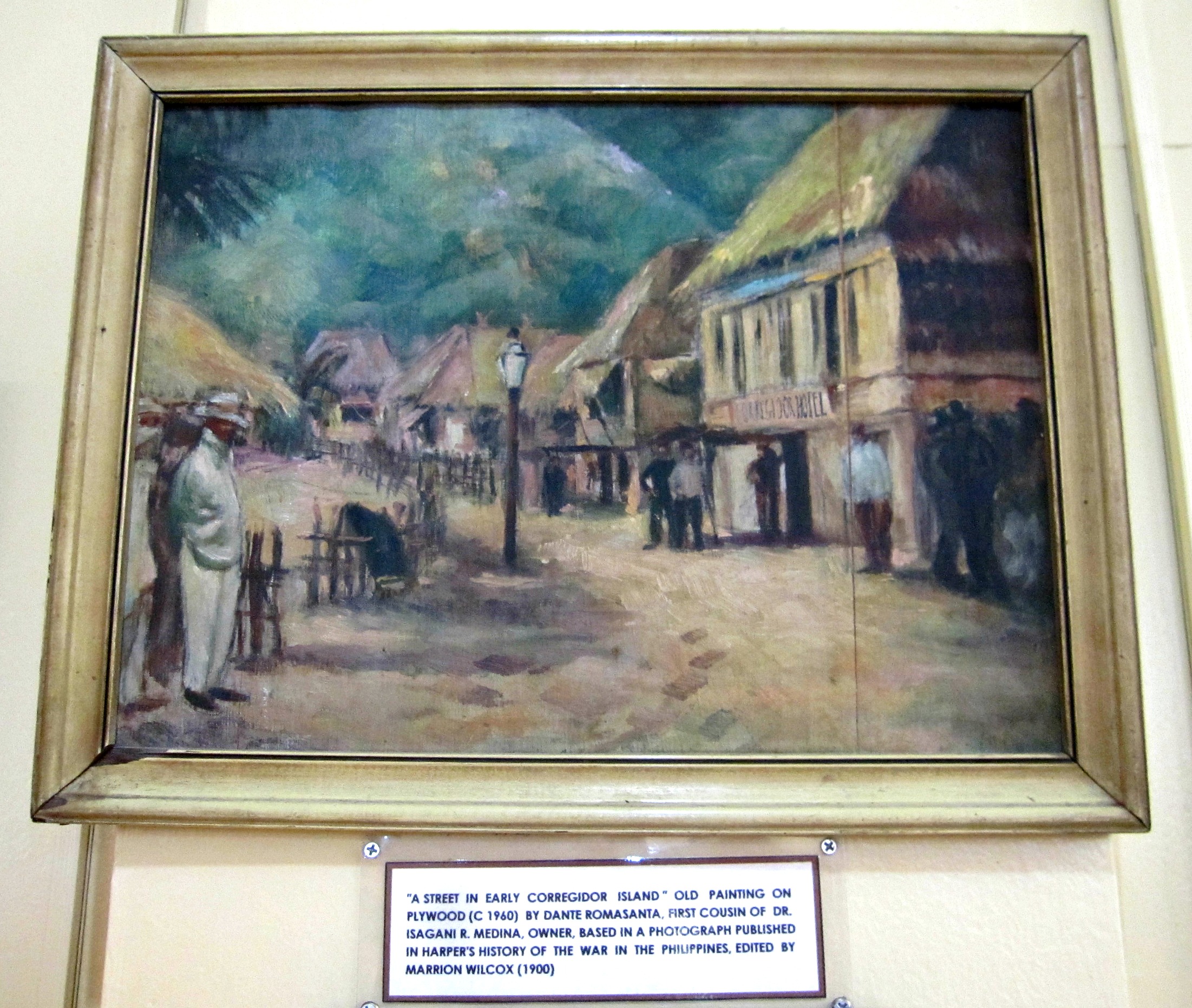
But what truly moved and startled me was when I saw a rather small framed painting hanged on the wall of the Pacific War Museum (the last stop of the tour before heading back to Manila).  Surprisingly, the prolific piece of art which I never noticed during my first visit was actually painted by no less than my late Uncle Dante.  The younger brother of Nengkoy.  This further confirmed that indeed, somewhere in the marrow of my bones can be found my affiliation to the Island of Corregidor.

a street in early corregidor by dante romasanta

a street in early corregidor by dante romasanta

Painted in 1960, the painting depicts the life of ordinary citizens of Corregidor and the usual dealings of the locals with the Americans prior to the horrific World War II.  It’s a representation of a social drama which imbibes a superlative story telling skill through the usage of oil pigments and genius strokes of the brush.

At first sight the painting may seem chaotic.  But at a longer glance, it actually presents a mantra of noisy energy contained by discipline, freedom and order that is miraculously held together.  This I suppose is the glory of this painting.

super proud!

super proud!

I thought I would surprise Nengkoy about this immense discovery during that breakfast.  So when I told her about my finding Uncle Dante’s painting, she simply told me that she has known about it all along.  And that she has long been immensely proud by this artistic feat achieved by his beloved brother.

Super prawd pamangkin hir!!!

A Rare Black Dude at the J. Paul Getty Museum

Every time I am in a country for the first time, I always try my best to visit a museum.  When me and Karen (one of my super travel buddies) are together on an out-of-the-country-adventure we would call it “the cultural day”.  Since it’s the day to appreciate high culture – some pieces of art of outstanding quality or historical importance – which in some ways feed our soul, we would somehow dress up a notch higher than the usual.

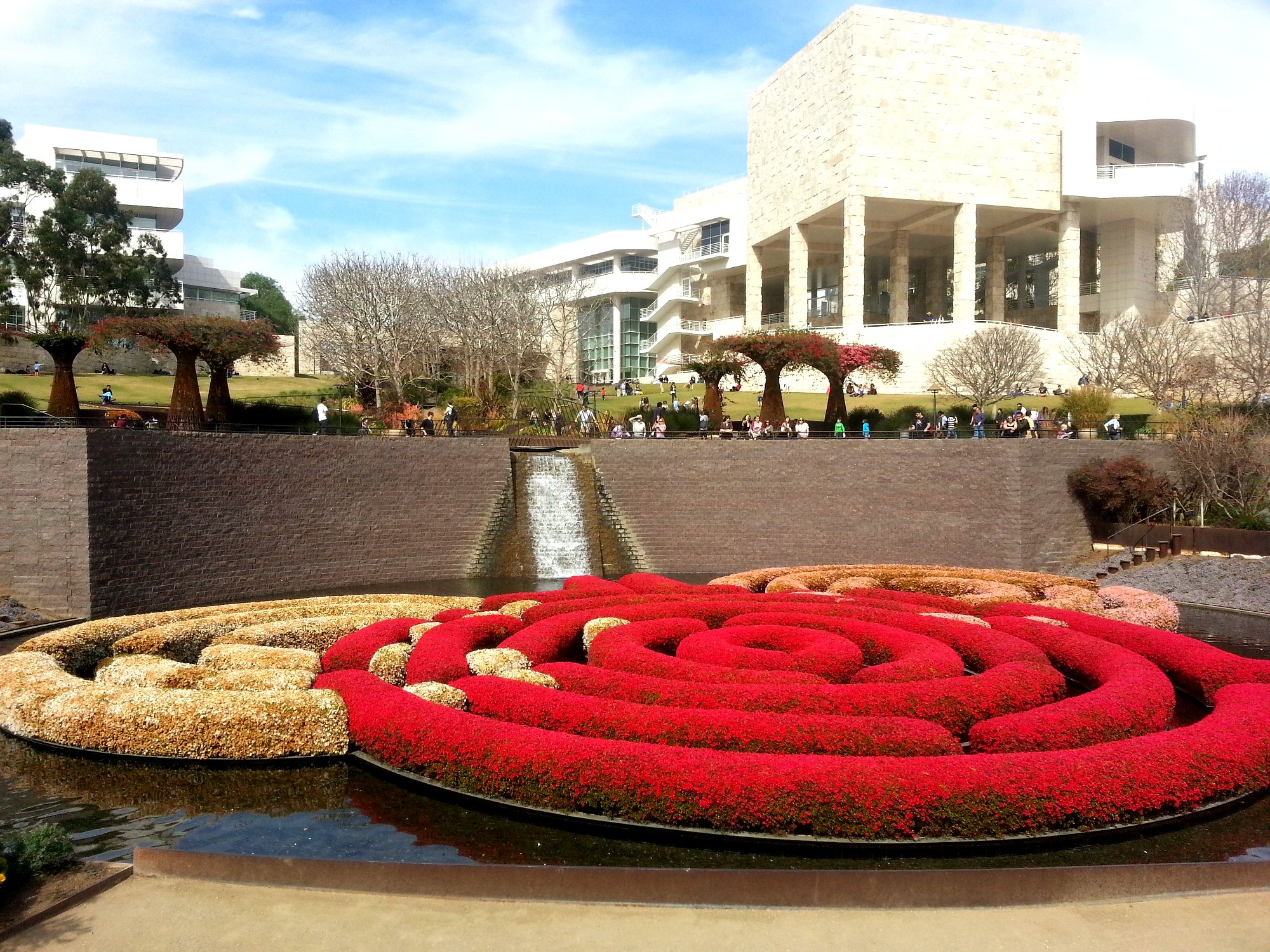
Of course my first-time visit to Los Angeles, California was no different from my other first-time visits to other countries.  It is because I and my super travel friends had a cultural day. We went to the one of the most visited museums in USA, the renowned and reputed J. Paul Getty Museum.

j. paul getty museum, los angeles, california

j. paul getty museum, los angeles, california

karen & joesel going up the hill via tram on a "cultural day"

karen & joesel going up the hill via tram on a “cultural day”

some fashion posing on a cultural day at the getty

feeding our soul with some fine art at the getty
(count how many bellies are there in this photo)

As I feed my soul from the captivating pieces of art, the one piece that moved me more than any other is the 1758 black stone sculpture entitled “Bust of a Man” made by an English dude named Francis Harwood.

Apart from the innate beauty of the bust, it struck me how unusual it was to see a sculpted figure of a gorgeous black man at that point of Western art history.  It would definitely be rare to see a man of African descent depicted as a person during the time it was sculpted because black Africans then (as I understand) were considered objects of slavery. 

I stood next to this man for quite a long time and instinctively absorb what it transmits and evokes.

me and the rare black dude

me and the rare black dude

bust of a man by francis harwood

bust of a man by francis harwood

What moved me is that the depicted features of the face conveys adversities, past terrors and destitutions.  But the neck and the massive muscle features of the chest sends messages of poise, strength and self-reliance.  While the strong jaw and up-turned head conveys conviction, audacity and nobility with an almost squire and patrician bearing.  A valiant vision perhaps of numerous centuries that it would take before equality would turn from wish to reality.

O di ba… ang itim pero dramatik…

Eating Art

May it be pieces of priceless art found in the famous museums, unique chunks of architecture or praiseworthy monuments my usual tour out of the country always includes finding good or amazing pieces of art of the place I visit.

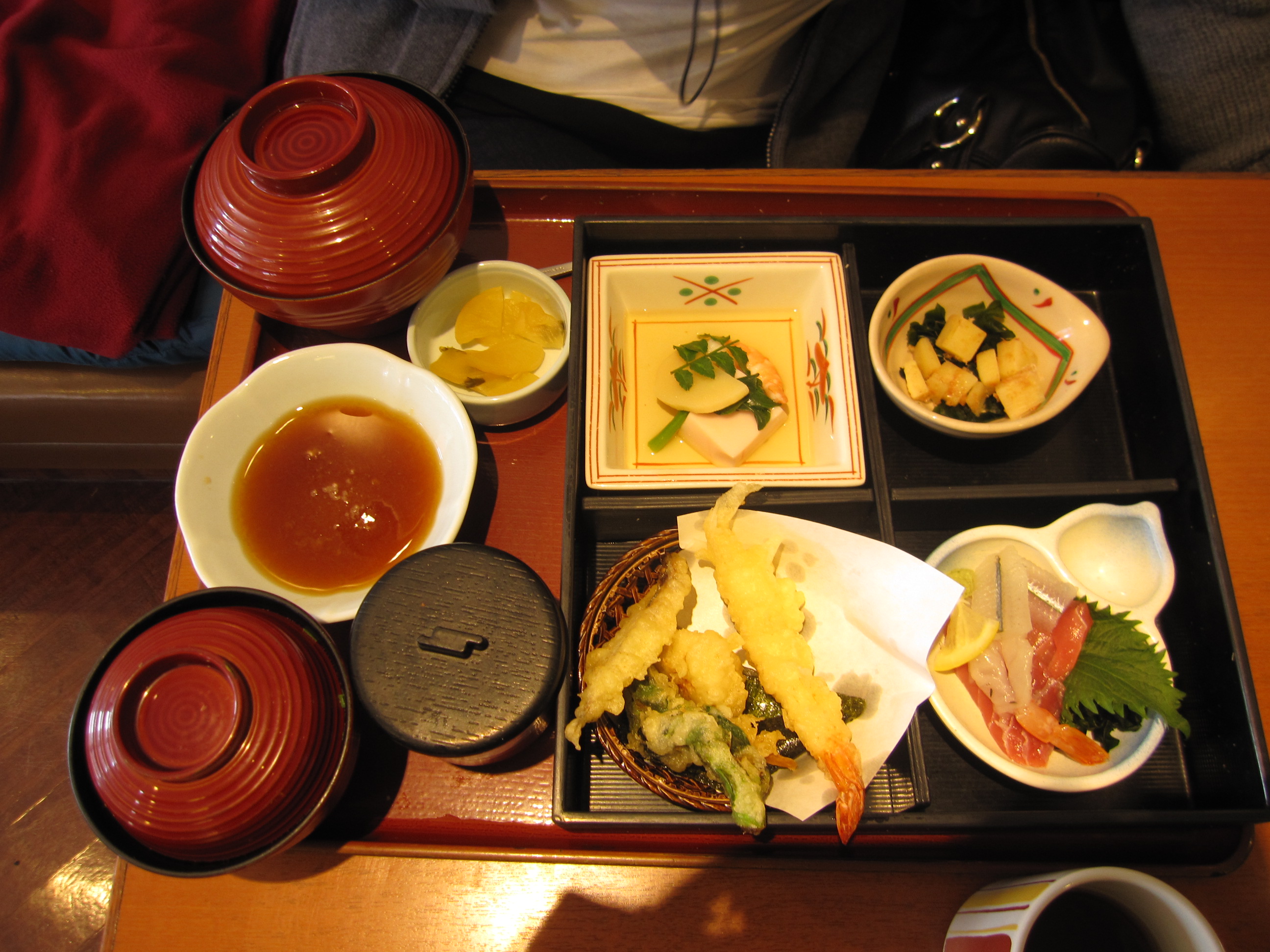
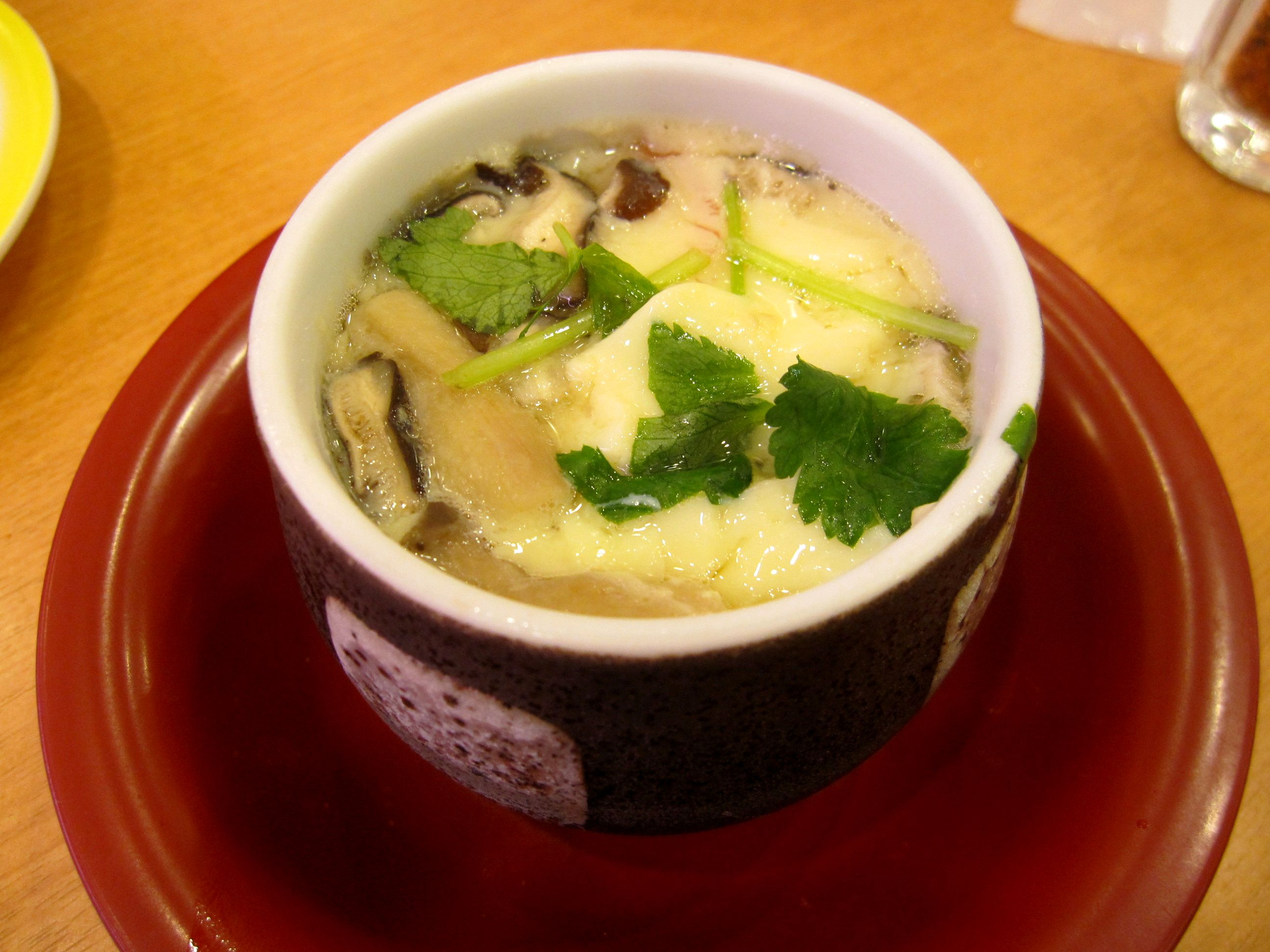
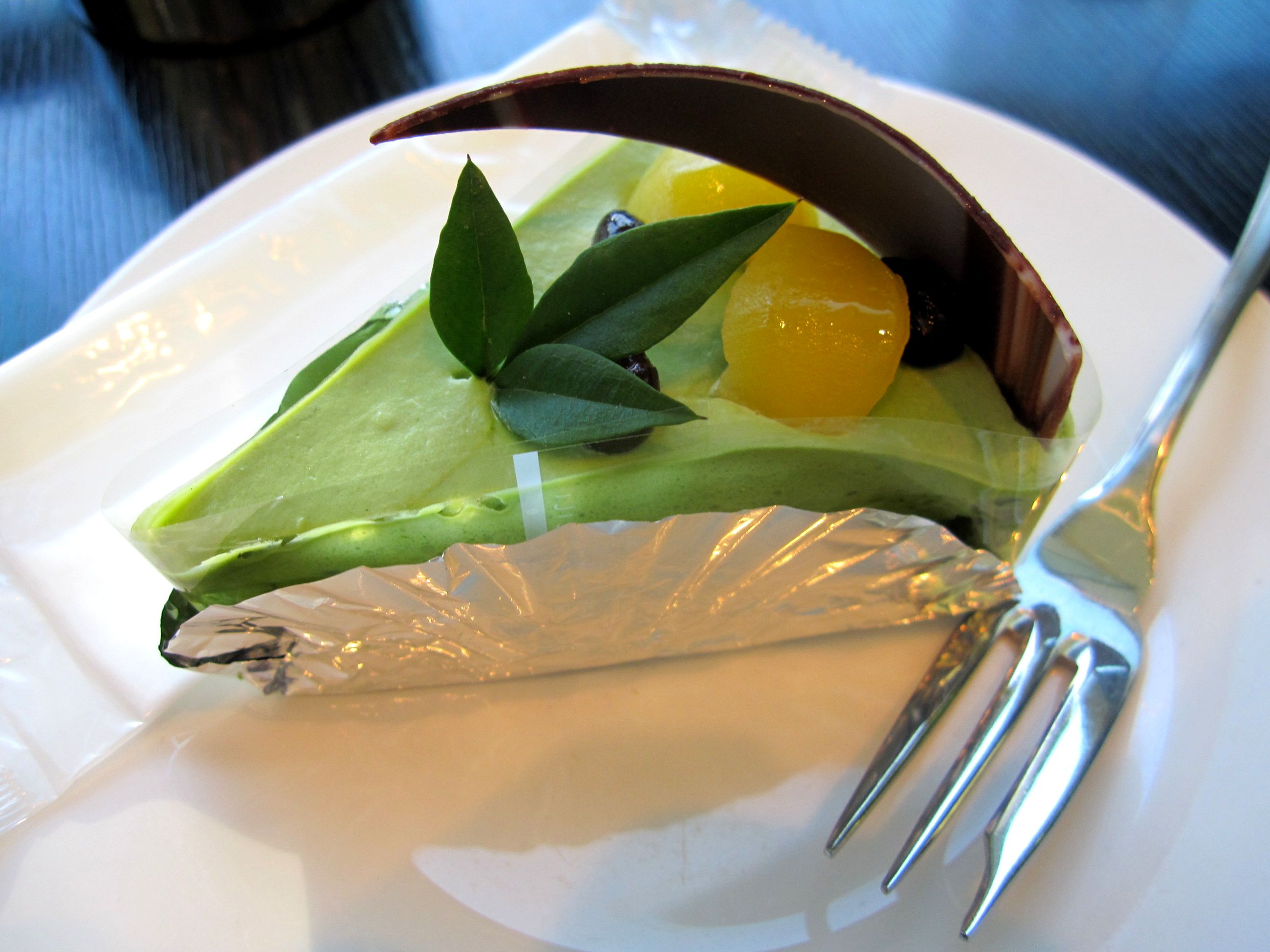
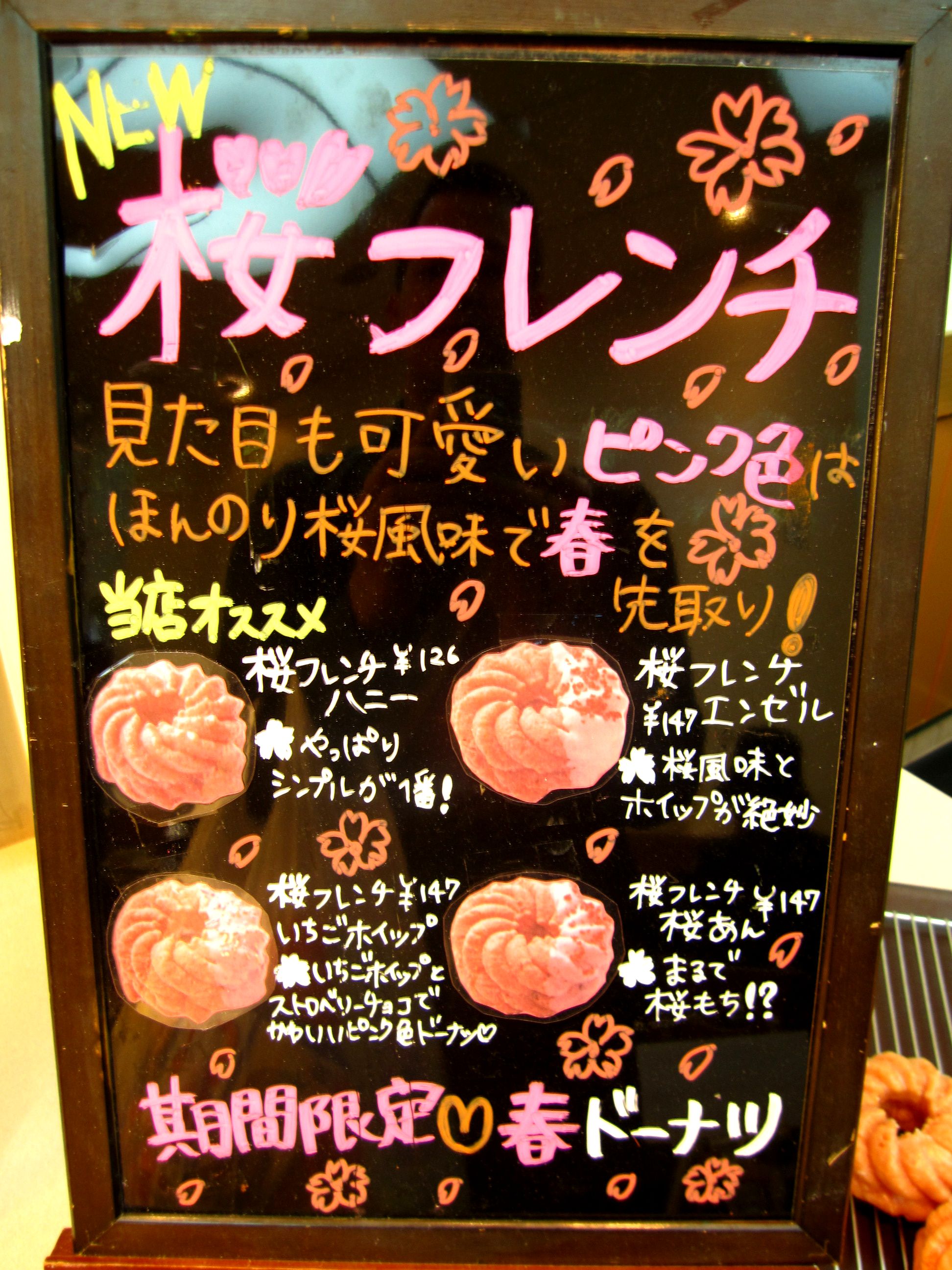
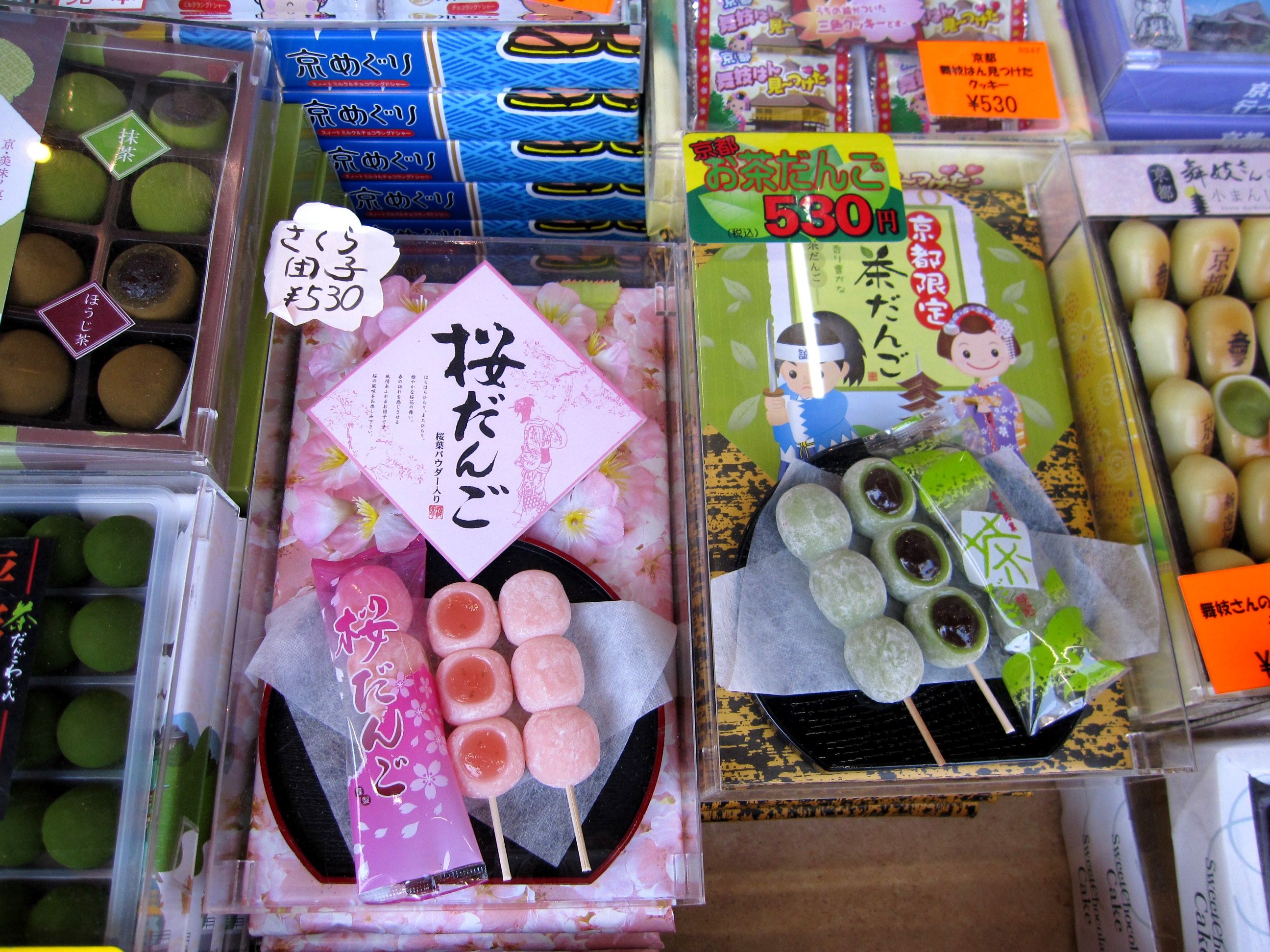
But in Japan, pieces of admirable art can be found right on the dining table.  Japanese people I suppose have the liking and inclination of utilizing first their sense of sight when dining prior to using their senses of smell and taste when consuming a meal.  I know that culinary craftsmanship is a creation meant to communicate and appeal to the taste buds but chefs here in Japan seem to put so much effort in details of food arrangements in their repertoire. Aside from being so yummy, I adore the aesthetically beautiful food presentation!!!

Walking through the streets of Osaka, I found various food presentations that are not only a banquet for someone’s palate but a feast for the eyes as well.  There are moments when I would not want to take a bite of the food I ordered but instead wish to preserve it and have it donated to a local museum for others to see and appreciate.  Dining in Japan is just like eating pieces of art.

classic japanese food


egg soup with shrimp & mushroom


green tea cake

this Mister Donut sign board is so cute I want it printed on my shirt

i love their window displays... truly mouthwatering...

the japanese versions of "espasol" with various fillings

"burrrrppp"

Busog pati mata mo!